How to Travel Nova Scotia When You Are Considering a Move
When people ask me how to plan their first trip to Nova Scotia, especially if the long term goal is relocation, my answer is always the same. Do not treat it like a sightseeing vacation. Treat it like reconnaissance.
If you want to understand where you might actually live, you need to move through the province with intention. You need time, variety, and enough flexibility to notice what daily life feels like beyond the postcard views.
Based on years of conversations with people who have done this well and people who wish they had done it differently, here is how I would approach a first exploratory trip.
Timing Matters More Than People Realize
September consistently comes up as the best month to visit, and for good reason. Days are still warm, nights are cooler. The pace shifts slightly away from peak summer chaos. You also start to see how places function as tourism winds down.
One important caveat: Nova Scotia is seasonal. Some restaurants, attractions, and even accommodations reduce hours or close after Labour Day. That is not a downside if you are considering moving here. It's just reality. Do your homework in advance so you are not surprised.
Give Yourself More Time Than You Think You Need
Almost everyone underestimates how long Nova Scotia takes to explore.
Ten days is workable. Two weeks is far better. Three weeks starts to feel meaningful.
Driving distances are deceptive. Roads are slower, scenery pulls you off course, and you will want time to stop and talk to people. Many visitors report that even after two or three weeks, they only scratched the surface.
If you are driving from central Canada or the northeastern United States, remember to factor in multi day travel time each way. That alone can eat up nearly a week.
Plan a Loose Loop, Not a Rigid Checklist
Prebooking accommodations is strongly recommended, especially in September. Waiting to see where you land at the end of the day sounds romantic but often leads to compromises you do not want to make.
That said, your itinerary should be flexible enough to linger when a place clicks.
A strong first time loop usually includes:
The South Shore
Using towns like Mahone Bay or Lunenburg as a base allows you to explore smaller communities between stops. This area gives you a feel for coastal living that is scenic but still connected.
Peggy’s Cove is worth seeing, ideally early morning or at sunrise. It is extremely busy mid day and not representative of daily life.
Halifax
Even if city living is not your goal, you need to understand Halifax. Healthcare, flights, jobs, post secondary education and specialized services often route through here. Many people regret not spending enough time in the city.
The Annapolis Valley
This is one of the most popular areas for people considering a move. Wolfville, Kentville, and surrounding communities offer agriculture, wineries, walkability in some pockets, and a strong sense of local culture. The Valley also highlights the Bay of Fundy tides and seasonal rhythms very clearly.
If you are here take time to hike Cape Split. Explore the smaller towns not just the main streets.
Cape Breton
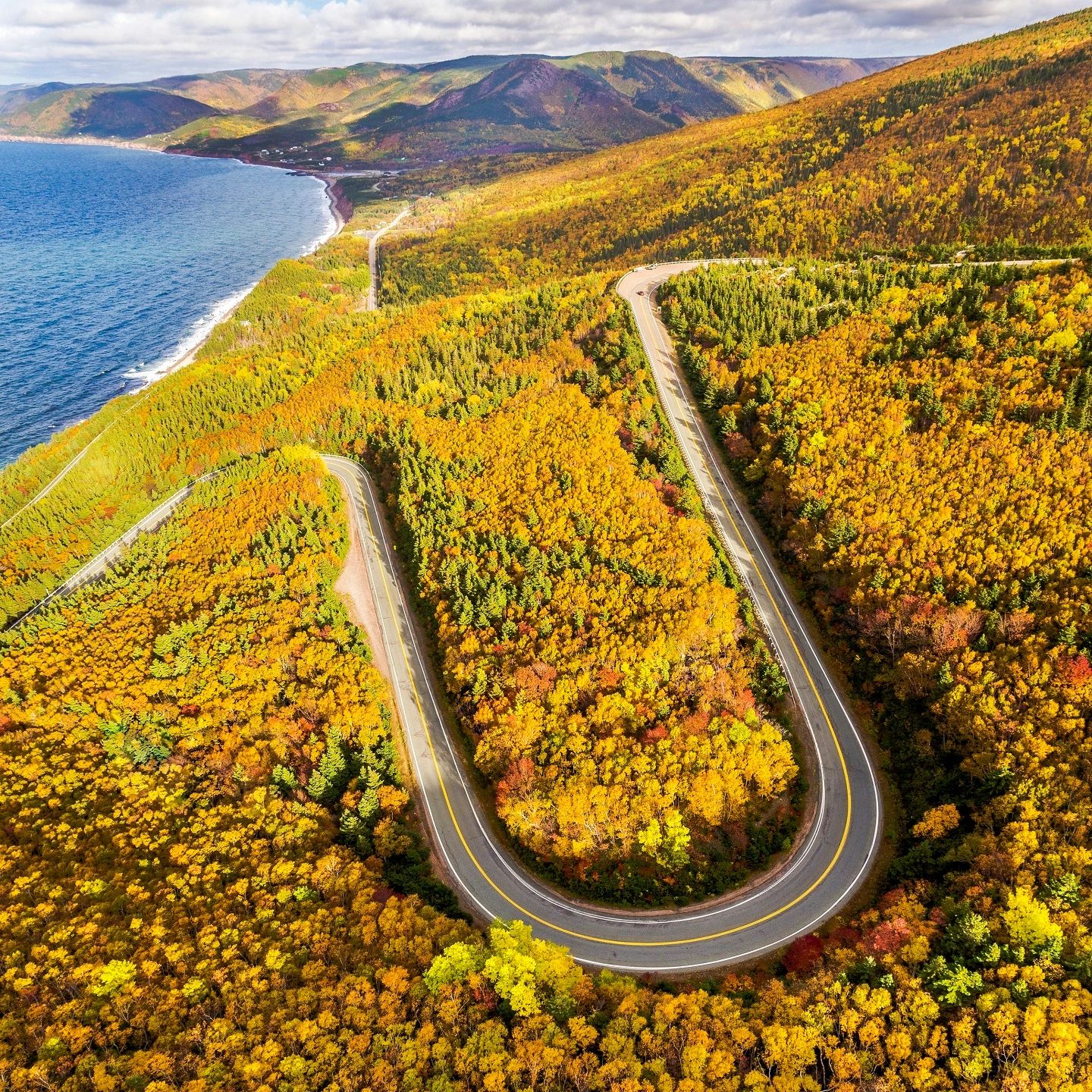
The Cabot Trail is stunning, especially in the fall but it is not for everyone long term. Baddeck is charming and typically satisfies most visitors in a day or two. If you love hiking, remote scenery and slower infrastructure, stay longer. If you are looking for amenities and services, this part of the trip is about understanding trade offs.
Five days is a common recommendation if Cape Breton is a serious contender.
Pay Attention to Daily Life Signals
This is where most exploratory trips fall short.
Notice grocery stores. Notice internet reliability. Notice how far you are from healthcare. Notice what closes early and what stays open year round. Notice how it feels after 8 pm.
Talk to locals. Ask why they chose the area. Ask what frustrates them. Ask what they would do differently if they moved again.
Festivals like Celtic Colours or a local ceilidh can be a great cultural window but do not let events alone shape your impression.
Accommodations Can Shape Your Experience
Where you stay matters. Waterfront cottages, small inns, and locally owned guesthouses often give you better insight than chain hotels.
Many people recommend using central locations like Pictou or Mahone Bay as hubs to explore surrounding regions. This reduces packing and unpacking and lets you experience what a slower, anchored stay feels like. We have MANY amazing AIR BNBs in smaller communities that will show you a closer look into the area.
If You Can, Mix Ferry and Driving Routes
If you are coming from the United States, taking the ferry into Yarmouth one way and driving out the other allows you to experience different regions and see parts of New Brunswick or Prince Edward Island as well. This comparison can be surprisingly valuable when narrowing down a move.
Final Advice
If the goal is relocation, your trip should answer one question above all others.
Can I see myself living here in November, not just visiting in September?
Slow down. Stay longer. Skip a few attractions and spend that time walking neighborhoods, sitting in cafe and driving side roads. Nova Scotia reveals itself in the quiet moments, not the highlights reel.