Here's What Nobody Told Me About The Nova Scotia Calendar
People will tell you about the housing prices, the healthcare waitlists, the pace of life. They will not always tell you about the other stuff. The stuff you figure out in year one, usually the hard way.
This is that list.
The Bugs Own May. Then They Back Off.
Not bugs like Ontario bugs. Bugs like a coordinated campaign against your existence. Black flies, deer flies, mosquitoes, and ticks operate on a rotating schedule that covers most of the warm season. If you're planning to spend time in the woods or tall grass, plan around them.
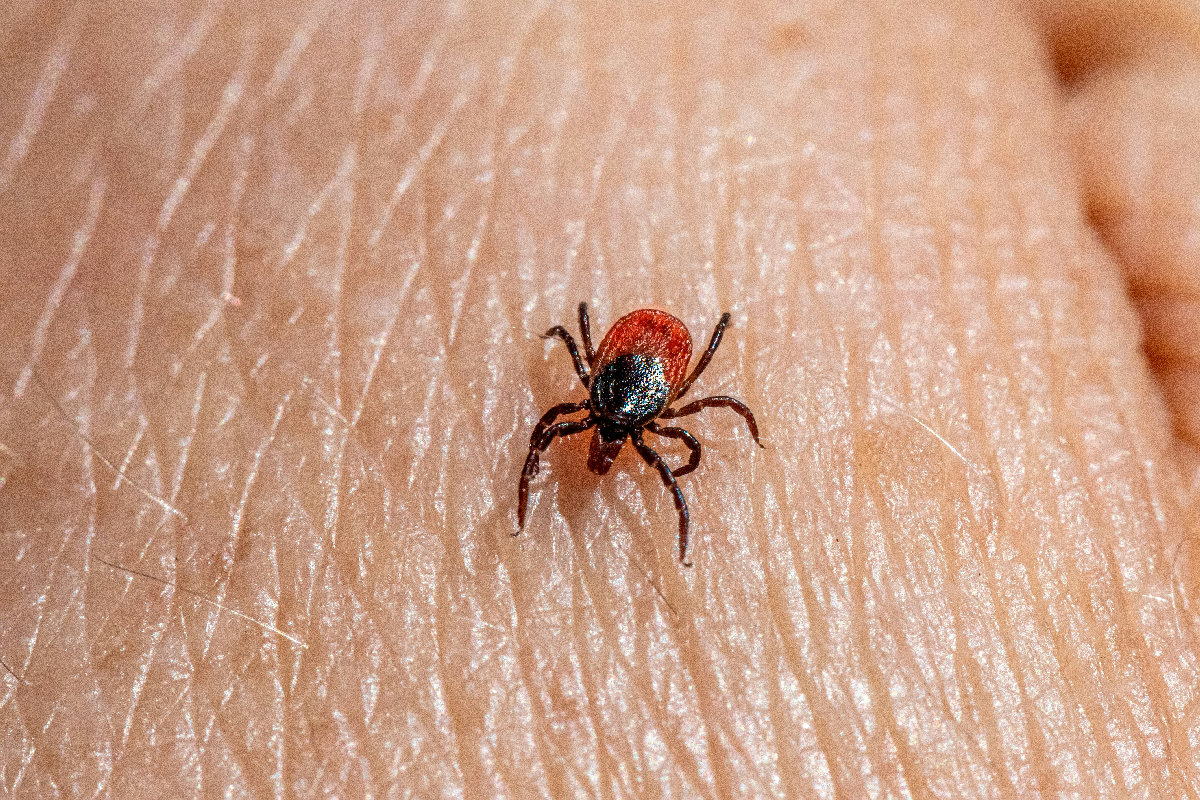
The ticks are the most important thing to understand before you arrive. They are endemic to Nova Scotia. Not a regional quirk, not an occasional problem. They are present, they carry Lyme disease and the density will likely surprise you regardless of where you moved from. Check yourself and your pets every time you come in from outside. Every time. While they do slow down in the summer months they are still there. Keep your grass cut, your chickens free ranging and your pants tucked into your boots!
Worth knowing: Nova Scotia lost a significant portion of its bat population to white-nose syndrome in recent years. Bats eat an extraordinary number of insects. Fewer bats means more bugs. It's not the whole story but it's part of it.
The practical answer is a bug suit. Get one, wear it in the woods, deal with it. It sounds extreme until you're in it and not being eaten alive and then it sounds completely reasonable. Bug spray handles the rest.
What nobody tells you is that it gets better as the season goes on. June is better than May. July is better than June. By August you're down to bug spray and a reasonable level of vigilance. And then September and October arrive. That's the real summer. Warm days, no bugs, the beginning of the colour. Most people who've been here a few years will tell you fall is what they moved for, even if they didn't know it yet.
The Wind Is Its Own Season
It's not that Nova Scotia is windy. It's that the wind here has personality and stamina. It will damage things you didn't know could be damaged. It will be with you in March when you are already tired of winter and it will push you right to the edge. By March, some people stand outside and scream into it. This is apparently a known coping strategy.
The practical adjustment that makes an immediate difference: windbreaker pants and a windbreaker coat. Not a winter jacket. A windbreaker. The cold here gets into you through the wind in a way that layers alone don't solve. Windbreakers also have the added benefit of cutting down on bug bites through clothing, which is a bonus nobody mentions in the gear guides.
The weather changes constantly and often dramatically. Dress for three versions of the day.
The Growing Season Isn't Shorter. It's Just Different
The calendar shifts but the season itself is productive once you adjust to it. Planting waits until June here because frost risk is real until then. What goes in the ground in May in southern Ontario waits a few more weeks in Nova Scotia. A landscaper who helped one newcomer with their garden put it plainly when hydrangeas were requested: you're planting a fall garden. She was right. The fall garden turned out to be spectacular.
Learn the Nova Scotia growing rhythm rather than fighting the Ontario one and you'll do fine.
Autumn, However, Is Not a Consolation Prize
Multiple people said some version of this: nobody warned me how good autumn in Nova Scotia actually is. The photos don't cover it. Cape Breton in October is something people drive significant distances to see and you will live there. That's worth something.
The Air Is Different and Your Body Will Notice
This one surprises people in a good way. The air quality in Nova Scotia, particularly away from any urban centre, is genuinely different from what most Ontario transplants are used to. People who had allergies for years find them easing. People who didn't think they noticed air quality suddenly notice it.
One person described taking a child on a road trip from Toronto to cottage country. When they got out of the car, the kid asked what that smell was. It was just fresh air. He had never been somewhere that had it.
You will have it every day.
The Hospital Situation Needs a Real Conversation
This is important and it is not said clearly enough in most relocation content: just because Google Maps shows a hospital in the town you're moving to does not mean it is a full functioning hospital. We covered this in more depth in Healthcare in Nova Scotia: An Honest Look but the short version is this.
Nova Scotia has several communities with hospital buildings that offer limited or reduced services. Emergency services, surgical capacity and specialist access vary significantly by region and are not always obvious from the outside. Before you move, specifically research what the nearest hospital to your chosen community actually offers. Call. Ask. Do not assume.
This matters most for families with children, people with chronic health conditions, and anyone who might need emergency care. It matters for everyone but it matters more urgently for some.
The Water Situation Is Also Worth Checking
Well water is the norm in rural Nova Scotia and it comes in more varieties than most newcomers expect. High iron content. Sulphur smell. And in some cases, if the right tests weren't done before closing, salt water. Get a full water test done before you buy, not after. Insist on it. Make sure your realtor and home inspector are specifically testing for what rural Nova Scotia wells can throw at you, not running a standard checklist built for municipal water systems.
School Closures Happen More Than You Think
If you have kids and you're moving to rural Nova Scotia, factor this in: schools close for weather more frequently than most Ontario parents are used to. Snow squalls can materialize fast. Roads that look fine can close without much warning. In some rural areas, families averaged close to one closure per week through the winter. That requires a backup plan if both parents are working. For a broader picture of what family life looks like after the move, Choosing Nova Scotia for Family Life: Reality vs. Expectation is worth a read.
Maple Sugar Season Exists and Is Not Talked About Enough
Between winter and spring, there is a brief and specific Nova Scotia season that nobody puts in the brochure: maple sugar season. It is short, it is worth finding and it is one of the genuinely lovely things about living somewhere with real seasons.
The Honest Summary
Most of what's on this list is not a Nova Scotia problem specifically. It's a rural problem, a coastal problem, a different-season problem. People who moved from rural Ontario to rural Nova Scotia report far less surprise than people who moved from Toronto to a property with a well and a woodlot. Know what you're actually moving into. Not just the province but the land, the water, the season and the distance to a real hospital.
The people who knew what they were getting into are, by a significant margin, the ones who stayed. If you're still in the research phase, Why Nova Scotia Felt Like a Dream When You Arrived is an honest look at what the transition actually feels like once you're here.